Technology is no longer a support function. It is the backbone of almost every industry in the United States. From hospitals managing electronic health records to retailers running online stores and manufacturers relying on smart factories, IT is mission-critical.
Yet many organizations are still trying to manage complex systems with small in-house teams. Rising cybersecurity threats, compliance requirements, and the need for 24×7 uptime are stretching internal IT departments to their limits. That is where Outsourced IT Support comes in.
In 2026, more US companies will turn to outsourced IT support services to stay competitive, reduce risk, and control costs. Let us explore why this shift is accelerating and which industries stand to benefit the most.
The IT outsourcing market in the United States continues to grow steadily. Analysts predict that global IT outsourcing spending will cross hundreds of billions of dollars annually, with North America leading adoption.
Here are some clear market signals:
For many companies, building a fully staffed internal IT department with cybersecurity specialists, cloud engineers, compliance experts, and help desk support is simply not realistic.
Instead, outsourcing IT support allows organizations to:
Cities like Dallas and Boston are seeing strong demand for localized yet scalable services such as outsourced IT support Dallas and outsourced IT support Boston. Regional businesses want providers who understand local regulations and industries but can deliver national-level expertise.
As we move toward 2026, several trends are shaping the future of IT support outsourcing in the US.
Cybersecurity First Approach: Cyber threats are increasing in sophistication. Businesses now view outsourced IT support services as a frontline defense strategy.
Rise of 24/7 Monitoring: Companies expect real-time monitoring and response. Downtime is no longer acceptable.
Cloud First Infrastructure: Organizations are migrating to cloud platforms and need expert management.
Compliance-Driven IT: Healthcare, fintech, and education must comply with strict US regulations.
Cost Optimization: Businesses are closely evaluating outsourced IT support costs versus internal hiring.
Managed Security Services Integration: Outsourced managed IT support often includes threat detection and incident response.
AI-Driven Support Systems: Automation tools are enhancing help desk efficiency.
Remote Workforce Support: Distributed teams require secure access and endpoint management.
Scalable Service Models: Seasonal industries need flexible IT capacity.
Vendor Consolidation: Companies prefer a single outsourced IT support company instead of multiple vendors.
Focus on Business Continuity: Disaster recovery planning is a top priority.
Local Expertise with National Reach: Businesses seek providers familiar with regional markets while offering enterprise-level solutions.
These trends highlight one clear reality. IT support is becoming both more specialized and more essential.
By 2026, IT support outsourcing will no longer be just about fixing computers. It will be about a strategic partnership.
We will see:
Small and mid-sized businesses, in particular, will benefit from outsourced IT support for those seeking enterprise-grade systems without enterprise-level budgets.
The question will no longer be whether to outsource. The real question will be how soon we can implement the right model.
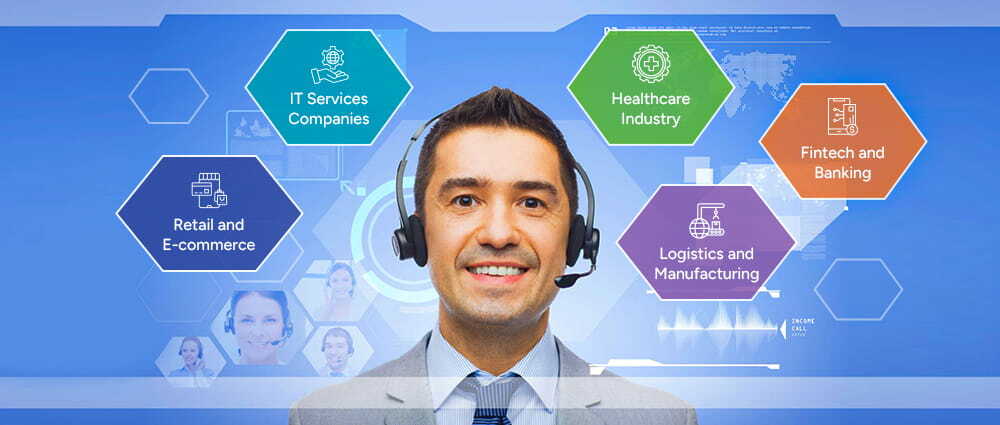
Let us take a closer look at five industries that should prioritize IT support outsourcing in 2026, which can help them stand out among their competition and bring more business without the hassle of configuring technology at every turn:
Healthcare organizations in the United States face unique challenges. From HIPAA compliance to ransomware attacks, the stakes are extremely high.
Hospitals and clinics operate around the clock. IT systems support:
In cities like Dallas and Boston, growing healthcare networks are actively seeking outsourced IT support services in the US to manage expanding digital infrastructure.
Healthcare IT departments must deal with:
Internal teams often struggle to keep up with these demands.
Outsourced managed IT support offers:
The benefits of outsourced IT support in healthcare include improved uptime, stronger security posture, and predictable budgeting.
For healthcare leaders, outsourcing IT support is not just about cost. It is about patient safety and operational resilience.
Fintech startups and traditional banks are both experiencing rapid digital transformation. Mobile banking, AI fraud detection, and real-time transactions require a robust IT infrastructure.
Financial institutions must meet strict regulatory standards while maintaining seamless customer experiences.
They need:
Outsourced IT support services provide specialized expertise that many banks cannot build internally without a massive investment.
In fintech and banking, downtime can cost thousands or even millions of dollars per hour. Consider the financial impact of:
When evaluating outsourced IT support costs, businesses should compare them with lost revenue from downtime, regulatory penalties, reputational damage, and internal staffing expenses
In most cases, outsourcing IT support results in a lower total cost of ownership.
With 24/7 outsourced IT support, financial institutions gain:
For fintech companies in cities like Boston, where financial innovation is booming, outsourced IT support services are becoming a strategic necessity.
The logistics and manufacturing industries are rapidly digitizing. Smart warehouses, IoT sensors, automated production lines, and supply chain management platforms depend heavily on IT systems.
These industries rely on:
Any IT disruption can halt production or delay shipments.
Outsourced IT support services ensure continuous monitoring and rapid issue resolution.
Critical Infrastructure & Downtime Risks
Downtime in logistics or manufacturing can result in many operational issues, like production line shutdowns, missed delivery deadlines, contract penalties, inventory mismanagement, and ultimately customer dissatisfaction, which can lead to severe financial impact.
An outsourced IT support company can provide:
Outsourced IT solutions also allow manufacturers to modernize legacy systems without overwhelming internal teams.
For manufacturing hubs in Texas, outsourced IT support Dallas providers are well-positioned to support industrial growth in the region.
Retail has transformed dramatically in the United States. Brick-and-mortar stores now operate alongside online platforms, mobile apps, and omnichannel strategies.
Retailers rely on:
Outages during peak shopping hours can cause immediate revenue loss.
24/7 outsourced IT support ensures that systems remain operational during holidays, flash sales, and major promotions.
Outsourced, co-managed, and fully managed IT support allows retailers to:
This flexibility makes outsourcing IT support highly attractive.
Key benefits include:
Retailers using outsourced IT support for businesses can focus on marketing, merchandising, and growth instead of troubleshooting technical issues.
It may seem surprising, but many IT companies themselves rely on outsourced IT support services.
IT services companies often specialize in:
They may not want to allocate internal resources to routine help desk tasks or infrastructure monitoring.
Outsourced IT solutions allow them to:
Even tech experts need support. The paradox is simple: by outsourcing IT support:
This approach strengthens their ability to serve their own clients.
For IT firms, outsourced managed IT support can:
In competitive markets like Dallas and Boston, partnering with a reliable outsourced IT support company can create a clear advantage.
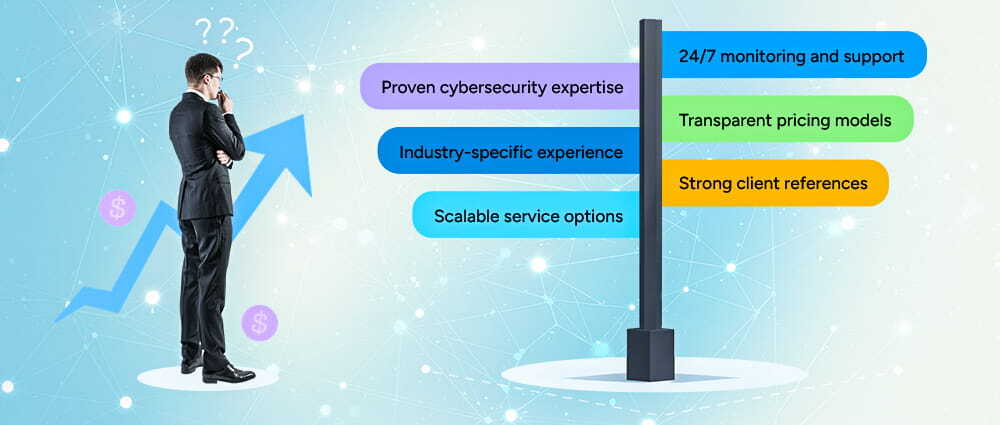
Selecting the right partner is critical. Not all providers deliver the same level of expertise or responsiveness. Look for a provider that offers:
IT issues can happen at any time, not just during business hours. Round-the-clock monitoring ensures problems are detected and resolved before they impact operations.
Cyber threats are constantly evolving and require specialized knowledge. Your provider should have documented experience in preventing, detecting, and responding to security incidents.
Clear, predictable pricing helps you avoid unexpected costs. A reliable provider will explain what is included in your outsourced IT support costs upfront.
Every industry has unique compliance and operational requirements. Choosing a company that understands your sector reduces onboarding time and risk.
Testimonials, case studies, and referrals provide insight into performance and reliability. They also demonstrate a proven track record of success.
Your IT needs will grow as your business expands. A good partner should offer flexible solutions that scale without requiring a complete overhaul.
Ensure they understand US regulations and industry standards. Compliance knowledge is essential to avoid legal risks and maintain operational integrity.
Here is a set of questions you can ask before signing the contract. They can help you determine the best course of action for your business IT solutions:
This helps you determine whether they understand your regulatory and operational environment. Industry expertise often translates into faster problem resolution.
Continuous availability ensures critical systems remain operational at all times. It also reflects their capacity to support businesses across time zones.
Ask about their incident response process and escalation procedures. A structured plan shows preparedness and professionalism.
Clear service level agreements define how quickly issues will be addressed. Faster response times reduce downtime and business disruption.
Understanding pricing models helps you compare providers effectively. It also ensures alignment with your budget and expectations.
Regional experience indicates familiarity with local regulations and infrastructure. It also demonstrates real-world results.
Local presence can improve responsiveness and on-site support. It also shows their ability to cater to specific market needs.
Be cautious if you notice:
An experienced outsourced IT support company should offer transparency, accountability, and measurable performance metrics.
In 2026, technology will continue to evolve rapidly. Cybersecurity threats will become more sophisticated, compliance requirements stricter, and customer expectations higher.
For many industries in the United States, building and maintaining large in-house IT teams will not be practical or cost-effective.
Outsourced IT Support offers a smarter path forward.
From healthcare and fintech to logistics and retail, outsourcing IT support helps organizations:
The value goes beyond fixing technical issues. It is about building secure, resilient, and future-ready businesses.
With Arpatech’s outsourced IT services, companies gain proactive monitoring, strong cybersecurity, compliance-focused strategies, and scalable support tailored to their industry needs. We operate as a strategic technology partner, helping businesses stay secure and competitive.
As 2026 approaches, IT support outsourcing is no longer optional for growth-focused organizations. It is a strategic necessity for those who want to lead tomorrow.


Before we begin, please solve this quick math check to confirm you're human, and you'll be all set to start chatting with our AI assistant.
Stay connected with us to receive the latest information, updates, and insights from our world of innovation.
By entering your email address you will receive promotional updates.


© 2026 ARPATECH (ADVANCED RESEARCH PROJECTS & TECHNOLOGY)